Sunday, February 26, 2023

Seep is Key to Weight Loss!


Everyone knows that sleep is important, but did you  know that lack of sleep severely reduces your ability to lose weight and keep it off!  In fact a recent study suggests that missing out on just 30 minutes of sleep per day can increase your risk of obesity and diabetes.

There are several reasons for this phenomenon, but on one level it is pretty easy to understand.    If you do not get enough sleep you will not have energy to live a healthy, active lifestyle, and when you are tired it is very easy to skip workouts and spontaneously reduce overall activity.

Sleep: Your Body’s Best Friend

Sleep is important for just about all the systems in your body, and lack of sleep reduces cognitive function including reduced reaction time, impaired decision making and memory.  Sleep is also essential for the repair and recovery of the body.

Even if you think you get enough sleep you may still be suffering from the symptoms of sleep deprivation.   Unfortunately just a little sleep deprivation can have a significant effect on weight gain.

How Lack of Sleep Causes Weight Gain

Lack of sleep increases the levels of a stress hormone called cortisol, and cortisol increases appetite significantly.  Sleep deprivation also saps willpower and decision making ability so not only are you hungrier – you are more likely to make poor food choices.     Sleep deprivation is a stressor and when you feel stressed you tend to choose high carb foods which boost serotonin.

At the same time the body’s ability to handle carbs properly is reduced.    Your cells become less sensitive to the effects of insulin which is called insulin insensitivity.  Insulin insensitivity is what type 2 diabetes is all about.   If lack of sleep is a chronic condition you quite literally can make yourself gain weight and become diabetic!

In addition when you are really tired, a hormone called Ghrelin is boosted while Leptin levels drop.   This is quite literally a double whammy because Ghrelin increases hungers and Leptin tells you when you full and satisfied.   So you are hungrier and yet you do not feel as satisfied when you do eat so you eat more.

In fact, studies have shown increased calorie intake of over 300 extra calories per day in sleep-deprived people.

How To Improve the quality and time you spend sleeping

There are simple steps to keep lack of sleep from sabotaging your weight loss efforts.  The first step is to figure out your bedtime based on when you need to get up in the morning.    Count back a full 8 hours and set that as your bedtime.   You also want to go to bed and wake up at the same time all the time because having a consistent bed-time and waking time helps set your body clock.

It is also critical to get as much bright light exposure as possible as soon as you wake up - going outside for even 5 minutes and exposing your eyes to the bright blue light of the sun is as important as reducing your night-time exposure to light and blue light in particular.      Turn down your lights as much as possible during the evening and minimize screen time near bed time.   You can also install free blue light filter programs on your phone and computer - flux for computers and twilight app for phones.

It is also important to avoid all sources of caffeine except for first thing in the morning.     Caffeine is not a horrible thing, but too much to late can really have a big negative impact on your sleep.     Also avoid alcohol because drinking reduces the quality of your sleep as well.    Just cutting down or cutting out alcohol and caffeine often makes a dramatic difference in sleep quality within a week to 10 days.

The other key is making sleep a priority.  Sleep is directly linked to higher quality of life and resistance to illness and disease.    Sleep is as important as diet and exercise so make getting a good night’s rest a priority.


Sunday, February 19, 2023

Does Eating too Little Really Prevent Weight Loss?


It can seem like this is true when you are trying to do everything you can to lose weight and nothing seems to be happening.  But is this really the case?    The short answer is NO!

So what is going on when you are eating a lot less and still not losing weight?   You have probably heard the phrase “calories in, calories out” many times but doubt its truth.     In fact the balance of calories burned and taken in DOES determine bodyweight and there are no exceptions even though it can seem like this is not the case.

In every case when scientists tightly control or measure intake and output of calories – the balance between calories in and out DOES cause changes in bodyweight.   

Factors that affect calories burned

There are many factors that affect how many calories you burn daily, and the tricky part is that your body is designed specifically to adjust calorie output based on environmental conditions.  For example, prolonged low calorie intake WILL slow down your metabolic rate resulting in a significant drop in calorie burn.

By the same token if you are exposed to cold temperatures consistently your metabolic rate will increase in order to create heat necessary to keep your body functioning properly.

Another very important factor affecting your metabolic rate is your activity levels including exercise AND non-exercise movement or NEAT for short.  NEAT stands for non-exercise activity thermogenesis and refers to the fact that ALL movement requires caloric energy.   

When scientists have studied people and used sophisticated techniques to monitor movement, they have discovered that the levels of NEAT vary considerably between people, and NEAT can make all the difference in the world between being fat or lean.

Factors that affect calories consumed

Calorie consumption is also affected by many factors including appetite which is very complicated in humans and strongly affected by psychological factors including stress and upbringing which influence our perception of hunger.       Other factors include macronutrient percentages in the diet referring to the percentage of protein, fat, fiber, sugar and starch in the diet along with meal frequency and size.

Why does it seem like calories in and calories out does not work?

We are not very good at correctly judging how much we are eating and burning!      Well-controlled studies show that people (even trained professionals!) consistently underestimate calorie intake and over-estimate calorie burn by up to 50%.

What about hormones?

Hormones like insulin, glucagon, growth hormone, testosterone, and others influence metabolism, lean mass, and fat mass they do not invalidate the energy balance equation.   

So What Can You Do?

Measure your food intake – use whatever tools you like including scales, measuring spoons, pictures, food logs, portion estimating tools, etc.     The key is getting a handle on what you are consuming by tracking EVERYTHING you are consume for a full week – the results will probably surprise you!

Track you daily activity levels – including exercise and non-exercise movement for a week using a movement tracker or app on your phone.   While far from perfect this also gives you a window into what you are doing which most of us are completely unaware of consciously. 

Choose whole, unprocessed foods – like eggs, meat, fish, vegetables and fruit.    That is where all the micro-nutrients (Vitamins, minerals, and beneficial plant chemicals!) you need come from, and if you follow through on this you may find yourself losing weight without so much effort.

Adjust your proportion of protein, carbs, and fat – some people respond better to more carbs and fewer fats while others may respond better to less carb and more fat and protein.     There is no single diet that is best for everyone!

Get a Professional Coach – making consistent changes in your eating and activity habits can be very challenging – especially when you try to do it all by yourself.      Seek out a qualified and compassionate coach who can help you navigate these tricky waters.


Sunday, February 12, 2023

Solving the Weight Loss Puzzle - Part 4


If you have not read parts 1 – 3 do so now.  Now that we understand that the three keys to losing bodyfat are: Resistance Training; High Intensity Interval Training, and Managing food and beverage intake let’s talk about how you really get a handle on doing all three!    

First, you need to establish a baseline to measure progress against which means assessing your current weight and percentage of body fat.   There are many effective ways to assess body composition (how much of you is fat and how much is lean tissue) but the most accurate is to get a Styku Scan.    Styku - www.styku.com is highly accurate and gives you a perfect picture of your body and all its measurement.   In fact there is no more accurate method to determine all your body measurements and be able to compare them accurately over time.

The Styku Scan also gives you a daily caloric expenditure estimate based on your height, weight, sex, measurements and level of bodyfat along with target calorie intake to reach your goal weight/bodyfat level.     Most Workout Anytime locations have a Styku Scanner and all members receive a complimentary scan, and premium memberships include monthly Styku Scans!


The next key is adopting some method to get a handle on your food and beverage intake and the new Workout Anytime Go App is the ideal place to do that!   the app is free to members and includes nutrition logging and tools like ability to scan food barcodes to get nutrition information.

Third you need to be able to measure your progress on the activity side of the equation by using a device to monitor exercise intensity and calorie expenditure and there are several good options such as Fitbit, Apple Watch and best of all Myzone.   My favorite devices are ones that include heart rate monitoring and not just movement tracking because during your workouts your heart rate response tells the whole story!     

During your HIIT training sessions you want to elevate your heart rate between 85 – 100% of your maximum heart rate for 10 – 15 minutes of a half hour sessions.   You can estimate your maximum heart rate by subtracting your age from 220, but there are several other formulas available for estimating your maximum heart rate.   Here is a great article that walks you through three options: https://theathleteblog.com/calculate-maximum-heart-rate/ 

Fourth you need to keep a record of your resistance training exercises so that you can see whether you are making progress.   You can also do this using the new Workout Anytime Go app.  If you are not familiar with proper resistance training technique and exercises we highly suggest you find a trainer and invest in some personal training to learn proper form and resistance levels so you get the most from your resistance training. If you follow these guidelines and record your exercise sessions and food and beverage intake you will find that becoming a lean, mean fighting machine is not as hard as you think!

Sunday, February 5, 2023

Solving the Weight Loss Puzzle - Part 3


If you have not read parts 1 and 2 please do so first!.  Now that we understand that the most important factor in controlling bodyweight is managing the energy you use each day with the energy you take in from food and beverages the next step is understanding the crucial difference between losing fat and losing weight!

In the beginning of any new diet there is typically a significant loss of water weight, and while comforting this is a temporary phenomenon and not permanent!    Also it is important to understand that real goal should be reducing levels of bodyfat while maintaining or actually increasing muscle mass.     

The reason is that muscle and fat are not the same when it comes to how you look and feel. Fat is stored energy and fat tissue takes up much more space than muscle or other lean tissue mass.  Take a look at the picture below to get a sense of how different 5lbs of muscle looks compared to 5lbs of fat.


As you can see muscle is much denser and firmer material than fat.  The practical implication is that if you were to lose 5lbs of fat and gain 5lbs of muscle - although the scale would not change at all – you (and everyone you know) would notice a big improvement in your appearance.   You would actually look smaller and feel firmer. 

In addition because muscle burns significantly more calories than fat while at rest your resting metabolic rate would be increased meaning you are burning more calories ALL the time — not just during exercise.  

It is very important to have a way to track your progress and the Styku Body Scan is ideal because you will literally see changes in your body and be able to accurately track your fat and muscle mass to make sure you are losing fat and not losing muscle over time. 

So the next question becomes “how do I lose fat and build or maintain muscle mass at the same time?”   
Regular Resistance Training aka strength training which stimulates your body to maintain or build muscle and bone tissue.
High Intensity Interval Training which maximizes calorie burn both during AND after the workout.  One of the best HIIT workouts is Sprint 8 - to learn more about it see this previous blogpost:  http://workoutanytime.blogspot.com/2019/03/is-hiit-really-better-for-fat-loss-than.html 
Managing your food and beverage Intake to ensure your calorie intake is slightly below your total calorie output to ensure your body has a reason to use fat (stored energy).
Maintain Adequate Protein Intake - it is very important to eat enough protein to prevent loss of muscle mass during weight loss.   Protein needs vary based on your size, age, and activity level but during weight loss you want to shoot for .8 - 1 gram of quality protein per pounds of bodyweight.   To learn more about protein needs check out these previous blogposts:   http://workoutanytime.blogspot.com/2021/06/everything-you-need-to-know-about.html and http://workoutanytime.blogspot.com/2021/06/everything-you-wanted-to-know-about.html .
While each of these components are important by themselves - combining them creates a much greater short and long term response.   Take any of the four components out and you will limit your results!
Reducing calorie intake (aka dieting alone) will initially result in greater fat loss than exercise for people who are beginning to exercise, BUT overtime your body will ALWAYS slow-down in response to any sustained drop in calorie intake.   
Exercise on the other hand is just the opposite — initially for an unfit person exercise makes a very small contribution to any weight loss because the person’s exercise capacity is low.  However, over time a person’s exercise capacity will improve.    So all forms of diet become less effective over time while exercise becomes more effective.
The key is addressing diet and exercise out of the gate and focusing on HIIT and Resistance Training in your exercise programming while watching your food and beverage intake!
Stay tuned for the final part of this article next week!

Saturday, January 28, 2023

Solving the Weight Loss Puzzle - Part 2


If you have not seen part 1 take a moment to review it.  So what is the key to weight loss anyway?   Although there is a lot of press out there stating that “Calories do not count” and “just focus on eating healthy” the fact is that regulation of bodyweight and bodyfat (two different things!) are primarily controlled by the balance of energy you take in from food and beverages (calories) and the energy you use to maintain all your cells and fuel all movement.    So why are people (including some very bright researchers as well) saying that calories don’t count?


First because a lot of research that is quoted was done WITHOUT controlling calories taken in and using participant recall to estimate calories taken in.  Here is the problem with this – we are lousy at estimating calories taken in.   In fact even trained dieticians frequently underestimate their calorie intake by 40%!  Imagine running a business and underestimating your bills by 40%!  In literally every case when food intake is precisely controlled or measured through a process using “doubly labeled water” (which can be used to measure food intake with 100% accuracy without having to measure and provide food) people do in fact lose weight based on calories in and calories out!
Second because there is confusion about a process that is built into every human being called “Metabolic Adaptation”.    Simply put your body adjusts to any prolonged reduction in calorie intake (regardless of the type of diet!) by reducing resting metabolic rate.    In addition if the reduction in calorie intake is really large your level of spontaneous physical movement will be reduced.  This process is based on hundreds of thousands of years of humans living in a world where adequate food intake was NOT guaranteed and in fact people frequently were forced to not eat for prolonged periods of time.  So the ability to reduce the body’s need for energy was a fundamental survival mechanism encoded in all our genes!
For example if you take a group of people of about the same height, weight, age, sex and activity level who require 2,000 calories per day to maintain their current bodyweight and drop their calorie intake to say 1,500 calories per day all of them will lose weight/fat initially.    However within a 2 – 3 month span all weight/fat loss will cease even if they continue to eat exactly 1,500 calories per day and maintain the same physical movement profile because as you lose weight/fat the body ALWAYS responds by lowering resting metabolic rate.    So unless you INCREASE physical activity ALL DIETS become less effective over time regardless of how “healthy” they are!

Stay tuned for part 3 and learn the difference between weight loss and fat loss!

Sunday, January 22, 2023

Solving the Weight Loss Puzzle - Part 1 of 4


Have you tried to lose weight and failed? If so, you are not alone. 95% of the people who try to lose weight fail to reach their goal, and even less are actually able to maintain their weight loss once they achieve their goal. Obesity and the associated disease diabetes are increasing exponentially in the America despite the many published health warnings about the health risks associated with being overweight.

Why are people unable to lose weight? People are hopelessly confused about the factors controlling bodyweight regulation. This is not surprising when you understand that every single program, book, and guideline developed by various diet “experts”, including our own government, lacks crucial information, contains misinformation, or contains myths. The list of experts and programs seems endless: The Keto Diet, The Paleo Diet, The Carnivore Diet, Dr. Atkins, Dr. Andrew Weil, The Pritikin Diet, Sugar Busters, Protein Power, Dr. Dean Ornish, and all the rest. To make matters worse much of the “information” from different experts seems to be completely contradictory.
Take this short True/False quiz to see how much you really understand about controlling your weight and bodyfat levels.
Eating a low fat diet is the key to losing weight
Eating a low carbohydrate diet is the key to losing weight
Most obese people have a slow metabolism
Obesity is a genetic disorder
Some people have a slow metabolism and some people have a fast metabolism
Exercise is not really effective for weight loss
You can eat all you want and lose weight if you do not eat carbohydrates
Low carbohydrate diets are unhealthy
If you eat foods in the right combinations you will lose weight
The key to weight loss is eating healthy not counting calories
Americans are eating more fat than ever before
Americans are eating less fat than ever before

Sound familiar? It should. All these statements have been made by various “experts”. Unfortunately, all but the last one is FALSE. If you want to control bodyweight you have to understand ALL the factors that govern bodyweight regulation and how they apply specifically to you. Stay tuned for part 2 of this article next week to learn more!

Sunday, January 15, 2023

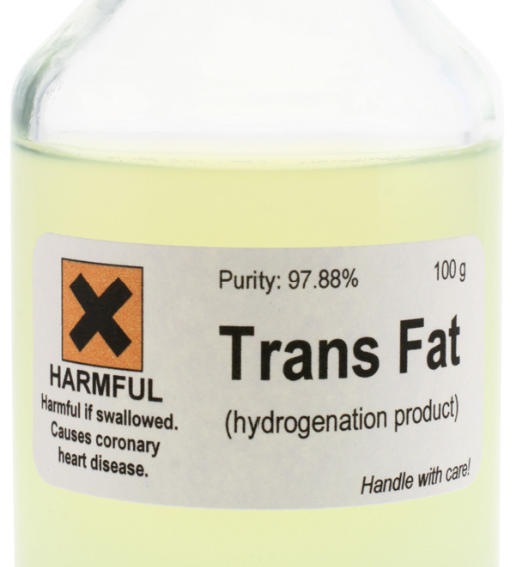
The Dangers of Trans Fats and Many Vegetable Oils


People tend to be very black and white regarding how they view fat intake – from fat is great to fat is the cause of all disease.    Of course, neither position is correct.  The types of fat you consume and the ratios of these fats along with other constituents of your diet determine how healthy or unhealthy fat intake is!

Having said there is one type of fat is clearly terrible for your health:  partially hydrogenated fat aka “trans fats”.    In fact there are two types of trans fats – naturally occurring and man-made and you guessed it – the man-made trans fats are the problem! You need to avoid them like the plague.    These man-made fats were created to improve shelf-life of products rather than using saturated fats which are also shelf-stable.

Almost all pre-packaged foods contain trans fats including margarine and spreads, store bought cookies, cake and pie crusts; frozen pizza; canned biscuits and rolls; crackers and potato chips and fried foods.

Trans fats increase LDL cholesterol and decrease HDL cholesterol and directly increase your risk for heart disease, stroke and type 2 diabetes.  

Linoleic Acid

Another fat that is the cause of much disease is the excessive consumption of Linoleic Acid.    Linoleic acid is an Omega 6 polyunsaturated fatty acid and is required to produce various hormones and essential chemicals in our bodies.   The problem is that we are eating a whole lot more of these fats than our bodies were designed to handle.    When you consume too much – which the vast majority of Americans do - its is broken down into toxic metabolites such as aldehydes and acrolein resulting in chronic inflammation.  

Excessive linoleic acid acts as a biological poison and is cytotoxic, mutagenic, carcinogenic and causes fat cells to store more fat!

Where does Linoleic Acid come from in our diet?

Within the last 150 years human consumption of vegetable oils/fats has sky-rocketed – take a look at most mayonnaise, salad dressing, and snack foods and you will almost always see soybean oil, canola oil, corn oil, or other nut or vegetable oil.    With few exceptions these fat sources are chock full of linoleic acid.   The consumption of vegetable oils in the US has increased from less than 2 grams per day in 1860 to 80 grams per day as of 2010.  In 1900, 99% of added fats where from animal fats (mostly saturated fat).    In 2005, 85% of added fats were from vegetable oils.   

There is a clear and strong correlation between common health conditions and vegetable oil intake – there is NO correlation between naturally occurring animal based saturated fats and disease.   This is not to say that some people do not experience increased levels of cholesterol from saturated fat intake but that is not the norm!

What is the Answer?

Avoiding trans fats and excessive linoleic acid is pretty simple:

1.    Avoid processed shelf-stable foods whenever possible – they are almost always full of trans fats and/or high levels of vegetable oils packed with linoleic acid.

2.    Choose whole foods like fruits, vegetables, whole grains, beans, meats, fish, whole nuts, poultry and eggs.

3.    Avoid stick margarine and vegetable shortening.

4.    Avoid fried foods – choose foods that are baked, steamed, broiled or grilled.

5.     When you do choose packaged foods read the label and avoid foods with ingredients including “partially hydrogenated”; “trans fatty acids”; canola oil, corn oil, soybean oils and other vegetable and seed oils.

6.    Make your own salad dressings with organic extra virgin olive oil packaged in small glass bottles what has a harvest date listed within the last 18 months or less!  Olive oil can be very healthy but it is fragile and goes rancid very easily so pay attention to these tips to get benefits from olive oil.

7.     For mayonnaise choose mayo made with avocado oil which is shelf-stable but not full of trans fats!

8.     Use butter or extra virgin coconut fat/oil for high heat cooking.

9.     For quick stir frying and sautéing use a high quality Olive Oil.    Lastly, remember that ALL fats are high in calories so watch your fat intake!


Sunday, January 8, 2023

Heart Rate Variability - Key to Optimizing Recovery


We all know that exercise is key to health and fitness, but it is easy to lose sight of the fact that exercise is a stimulus and stressor and that progress occurs during recovery from exercise!

There are many factors which affect our ability to recover from and improve from exercise including adequate sleep, breathing patterns, hydration, nutrition, and mental ability to relax to name a few.

Measuring your Heart Rate Variability (HRV) is an accurate and easy way to check your recovery status.  HRV refers to the fact that the time between each heartbeat continuously changes!   The picture above shows the change in time between each beat of the heart on an electrocardiogram.  Even though the time between each heart beat is always varying your heart rate - expressed as beats per minute - can be steady at times.

For example, an average heart rate of 60 beats per minute (bpm) does not mean that the interval between every heartbeat is exactly 1.0 sec, instead they may fluctuate/vary from 0.5 sec up to 2.0 sec.   During exercise, HRV decreases as heart rate and exercise intensity increases. HRV also decreases during periods of mental stress.

As a general rule of thumb we want to see HIGHER Heart Rate Variability.    Higher HRV indicates that your body is in a highly responsive state and able to quickly adjust to changes and challenges to optimize homeostasis.   Homeostasis refers to the need for your body to maintain a consistent internal environment to function properly so your body needs to constantly adjust to changes such as changes in air temperature, changes in muscle activity, changes in light level, etc.

HRV is regulated by the autonomic nervous system (ANS) which controls the function of our internal organs such as heart, lungs, intestines, level of arterial tension, digestion, etc.    The Autonomic Nervous System has two parts:  Sympathetic and Parasympathetic.  

The sympathetic nervous system is the "fight or flight" system, while the parasympathetic nervous system is often considered the "rest and digest" system. In many cases, these systems have "opposite" actions such as the Sympathetic System turning off digestion and the parasympathetic System turning on Digestion. 

Parasympathetic activity decreases heart rate and increases HRV, whereas sympathetic activity increases heart rate and decreases HRV.    Recovery is all about increased parasympathetic activity.   When your sympathetic nervous system (fight or flight) is active for long periods of time – you cannot recover from stress and sooner or later you will begin to experience symptoms and disease.  This is what being “Stressed Out” is all about!

Measurement of HRV

Measurement of HRV allows you to know how your body is responding and adapting to all the stressors in your life.  By measuring HRV each morning upon waking before you rise from bed or eat or drink anything you can very accurately track your recovery status.   There are several easy-to-use devices and apps available to measure your HRV:


      Fitbit – in the Sense, Versa 2 and 3, Charge 4, Inspire 2 and Luxe models – less expensive than many other options

      Oura Ring – www.ouraring.com – very popular and one of the best available and simple ring   

By looking at your HRV daily you will quickly notice patterns and find out how different workouts, alcohol intake, stress and caffeine affect your recovery.  You will also see how your HRV score tracks directly with the quality of sleep.   When you have a great nights sleep you will see it reflected in improved HRV!

Sunday, January 1, 2023

High-Intensity Aerobic Exercise Can Rduce Risk of Metastatic Cancer by 72%!


A recent study by the Tel Aviv University showed that intense aerobic exercise lowered the risk of developing metastatic cancer by 72%.  Metastasis is the process cancer uses to spread and metastasis is ultimately what kills those with cancer.  

The research found that high-intensity aerobic exercise increased internal organs’ consumption of glucose (blood sugar) which decreased the energy available for tumors to grow and spread.

The two lead researchers stated that:  “Studies have demonstrated that physical exercise reduce the risk for some types of cancer by 35%.   This positive effect is similar to the impact of exercise on other conditions, such as heart disease and diabetes.  In this study we added new insight, showing that high-intensity aerobic exercise, which derives its energy from sugar, can reduce the risk of metastatic cancer by as much as 72%.   If so far the general message to the public has been ‘be active, be healthy’, now we can explain how aerobic activity can maximize the prevention of the most aggressive and metastatic types of cancer.”

The research combined an animal model using mice with data from 3,000 individuals for 20 years.   Both sets of data showed similar outcomes which enabled researchers to identify its underlying mechanism.   By sampling the internal organs of animals before and after physical exercise and also following the injection of cancer – researchers found that aerobic exercise significantly reduced the development of metastatic tumors in the lymph nodes, lunges and liver. 

For more information on how exercise can help prevent cancer and help prevent metastatic cancer click here:   https://www.hockey4hope.com/single-post/2017/01/17/how-exercise-can-prevent-cancer


Sunday, December 25, 2022

Make Your New Years Resolutions Come True this Year!


Clue:  If you want to make your resolution come true -- willpower won't get you there!

Achieving goals is best approached as if you are trying to overcome an addiction.  In fact, that is exactly what you are doing. We all have addictions.

"Willpower is for people who are still uncertain about what they want to do."  -- Helia

If willpower is required – there is clearly some type of internal conflict. You want to lose weight, but you also want that beer.

When willpower is required there are two causes:

1. You don't know what you want, and you therefore have internal conflict.

2. You are not committed to a goal/change and created the conditions that facilitate your commitment.

What do you really want?

If reaching your goal requires willpower, you haven't figured out what you want. Because once you really make a decision, the internal debate is over.

After you decide what you want, the decision is made. Thus, all future decisions regarding that matter have also been made. No questions.

So, are you serious about this? Until you decide, you'll be required to use willpower, and will continue making minimal progress.

Are you committed?

When it comes to achieving goals, commitment involves:

·        Making it public

·        Setting a timeline consisting of small measurable goals that lead to the overall goal

·        Creating several forms of feedback and accountability

·        Removing everything in your environment that opposes your commitment

Once you truly commit - it's as though you've already succeeded. All doubt and disbelief are gone.

Commitment involves building your life around your goals. Your internal resolve, naked to an undefended and opposing environment, is not commitment.

Create conditions that make success inevitable

You will fail to achieve your goals if you don't change your environment.

An alcoholic who really wants to quit drinking needs to not hang around bars and people drinking, but this analogy applies to all goals!

So consciously create an environment that facilitate your commitments. Actually, if you're really committed to a goal, this is exactly what you'll do.

This is how personal growth occurs. We adapt to our environment. Thus, personal growth involves deliberately choosing or creating environments that helps mold us into the person we want to become.

Summary

Bill Walsh said, "If your why is strong enough you will figure out how!"

If you're required to use willpower:

·        You haven't made up your mind.

·        Your desire (your "why") for your goals isn't strong enough.

·        You haven't fully committed to what you're going to do.

·        Your environment is not in alignment with your goals. You haven't created an environment that facilitates reaching your goals.